Country PDF resource

Free online PDF tools in New Zealand.

New Zealand users often need PDFs for workplace communication, study material, applications and everyday document sharing. Reliable preparation means keeping files readable and easy to identify without unnecessary quality loss.

Quick answer

Can I use PDFbrix in New Zealand?

Yes. PDFbrix is browser-based and available online in New Zealand. No PDFbrix account is required for the included tools. For supported core operations, documents are designed to be processed inside the active browser session instead of being sent to a PDFbrix document-processing queue.

This country hub combines practical PDF workflow guidance with direct access to the tools most commonly useful for document preparation.

Local document context

Useful PDF workflows in New Zealand.

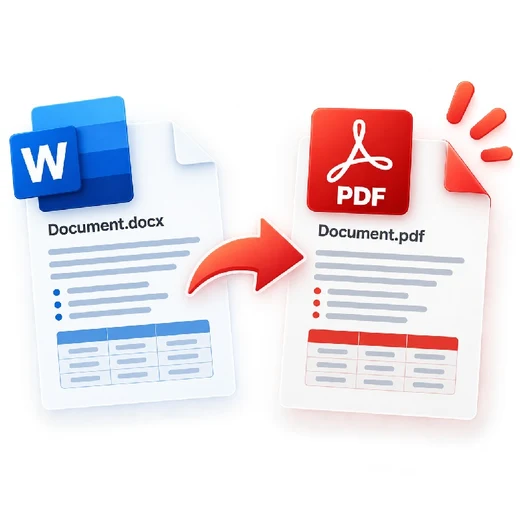
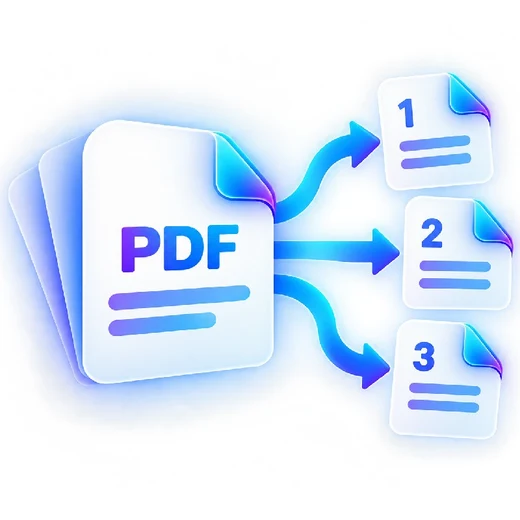
Common browser tasks include combining attachments, compressing photo-based scans, converting office documents and extracting only the relevant pages from a larger PDF.

  • Check links and selectable text after conversion.
  • Use page extraction before heavy compression where possible.
  • Keep a clearly named source and submission copy.
Technical consideration

Keep the useful parts of the document intact.

If a PDF contains forms, links or selectable text, test those features after conversion. A visually similar output can still behave differently from the source.

Privacy note: local browser processing reduces the need to send supported PDF files to a remote PDFbrix processing service, but normal website requests, device security and browser extensions still matter.
Practical workflow

A safer way to prepare a PDF for sharing or upload.

These steps apply whether you are preparing business paperwork, study files, forms or personal records in New Zealand.

01

Read the requirement

Check the required format, maximum size, page range and whether the recipient expects one PDF or several separate files.

02

Prepare a working copy

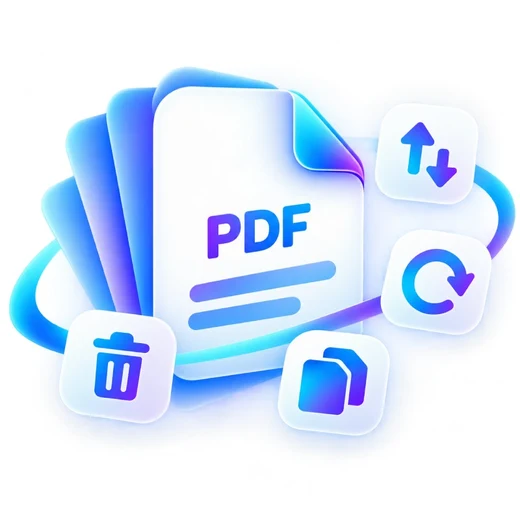
Keep the original unchanged. Extract, rotate, merge or organize a separate copy so you can always return to the source.

03

Optimize only if needed

Remove unnecessary pages before compression. If you do compress, compare the result with the original and check small text.

04

Verify the exact final file

Open the downloaded result in a separate viewer and confirm page order, orientation, filename, readability and final file size.

Related guides

Read before you process an important document.

These guides explain the trade-offs behind compression, conversion, scanning and submission rather than repeating search keywords.

All PDF guides
Answers

PDF questions for New Zealand.

Short answers to common questions about online access, document preparation and location transparency.

Can I use PDFbrix online in New Zealand?

Yes. PDFbrix is a browser-based PDF toolbox available online in New Zealand. Its core supported document operations are designed to run in the active browser session, and no PDFbrix account is required for the included tools.

Which PDF tasks are most useful for documents in New Zealand?

Common browser tasks include combining attachments, compressing photo-based scans, converting office documents and extracting only the relevant pages from a larger PDF. Choose the operation that matches the receiving requirement rather than applying compression or conversion unnecessarily.

How should I check a PDF before sharing it from New Zealand?

Check links and selectable text after conversion. Use page extraction before heavy compression where possible. Keep a clearly named source and submission copy.

Does this page mean PDFbrix has a physical office in New Zealand?

No. This is an online availability and document-workflow resource for the country of New Zealand. PDFbrix does not claim a physical branch, local office or service centre at this location.

Location transparency

Online resource, not a local branch.

This page describes online availability and practical document workflows for the named location. It does not represent a physical PDFbrix office or local branch.

Editorial approach

Content written for people first.

Location pages are maintained as practical document resources, not generated as one-line keyword variations. Tool claims are tied to the current PDFbrix interface, and important limitations are stated where they matter.

Read the editorial policy →